Wound healing
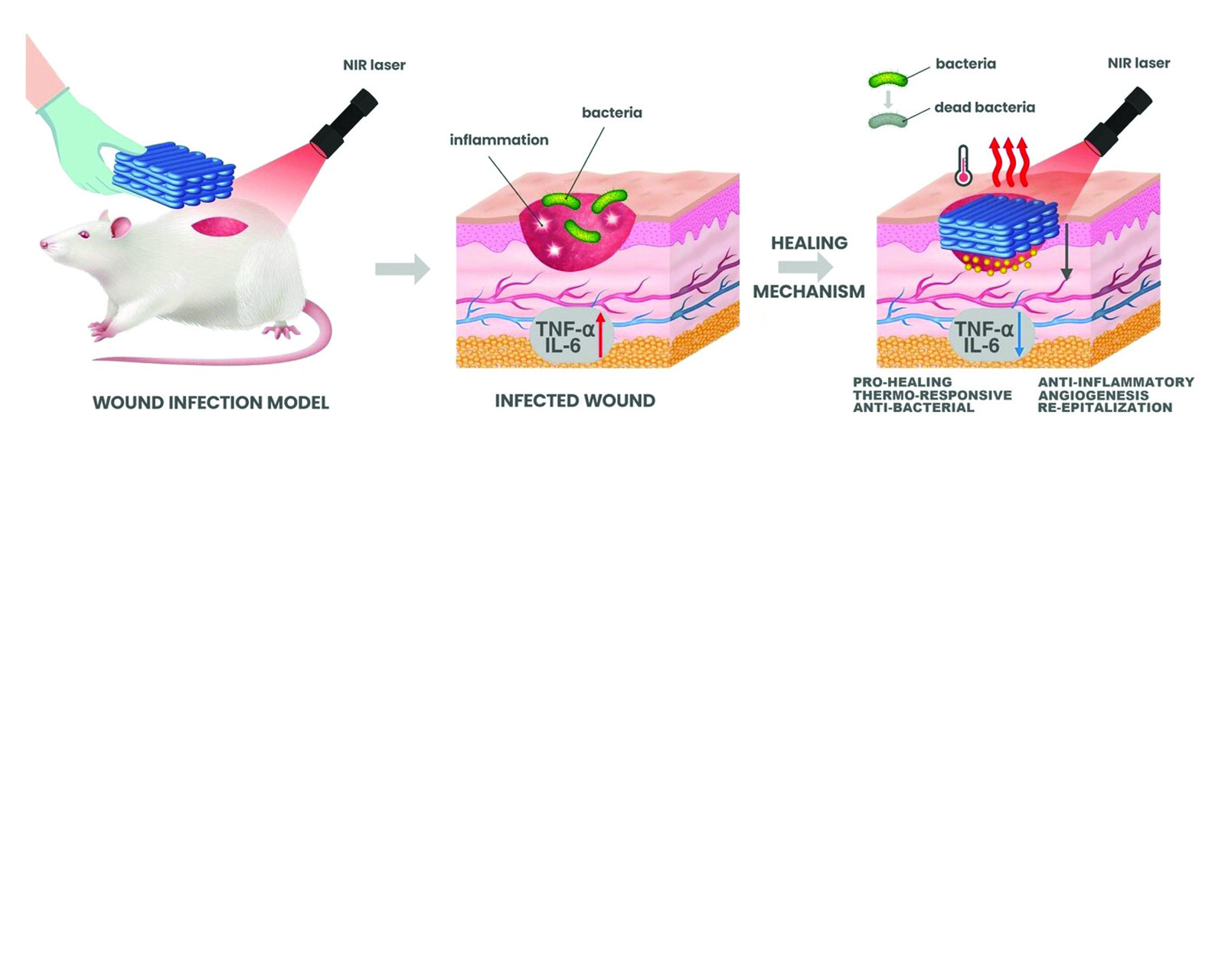
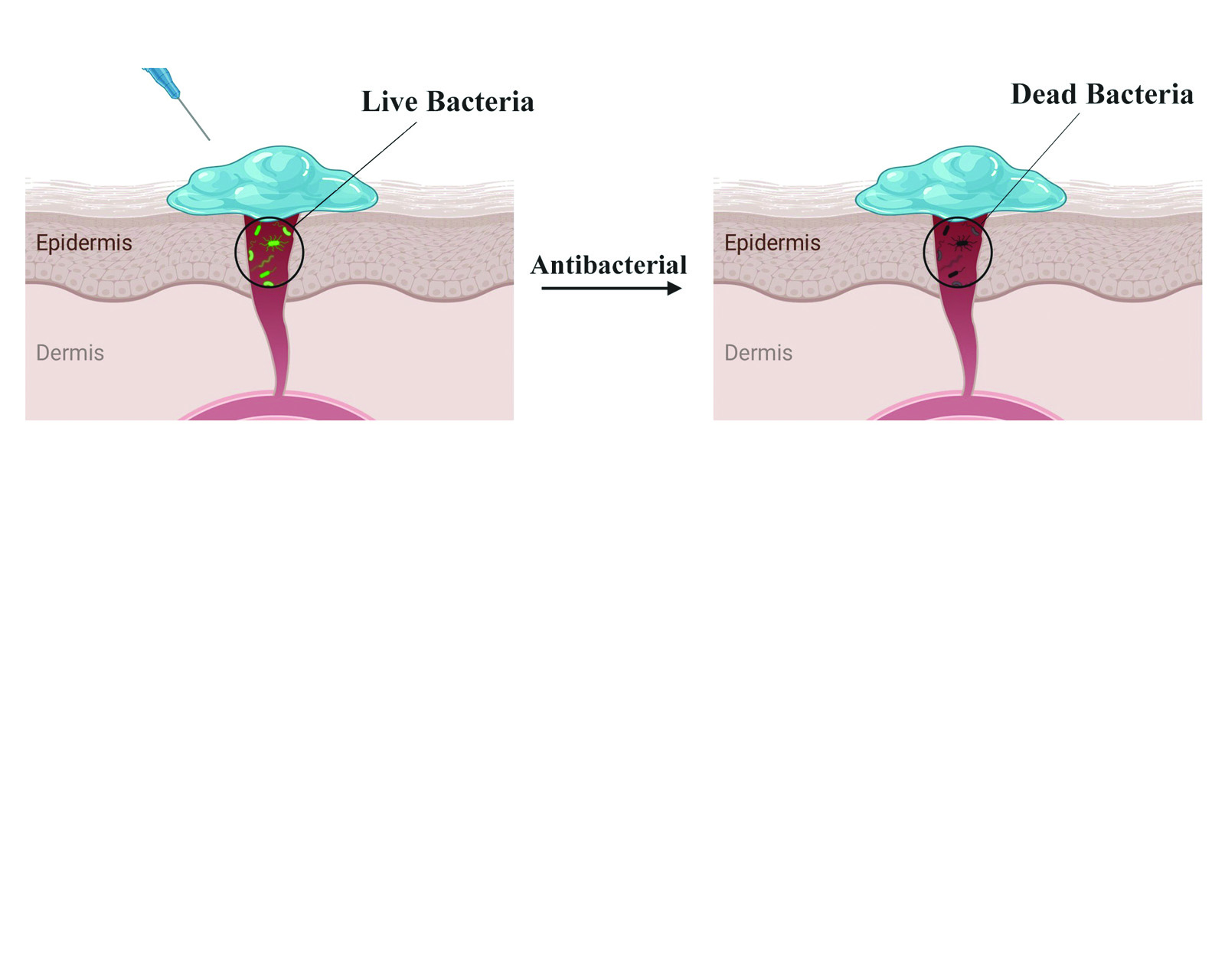
We design multifunctional materials that actively support and accelerate the healing of complex and infected wounds. Our research focuses on the development of advanced hydrogel-based and fibrous dressings with programmable antibacterial, anti-inflammatory, and regenerative functions. By integrating polymer matrix, photothermal nanomaterials, anti-inflammatory drugs, and bioactive molecules, we create smart wound healing systems that respond to biological signals and external stimuli, achieving controlled drug delivery and stimulation of tissue regeneration. By integrating photothermal, biochemical, and regenerative mechanisms, our group develops next-generation wound healing platforms that bridge the fields of materials science and regenerative medicine, enabling faster recovery and reducing infection-related complications.
Intervertebral disc regeneration
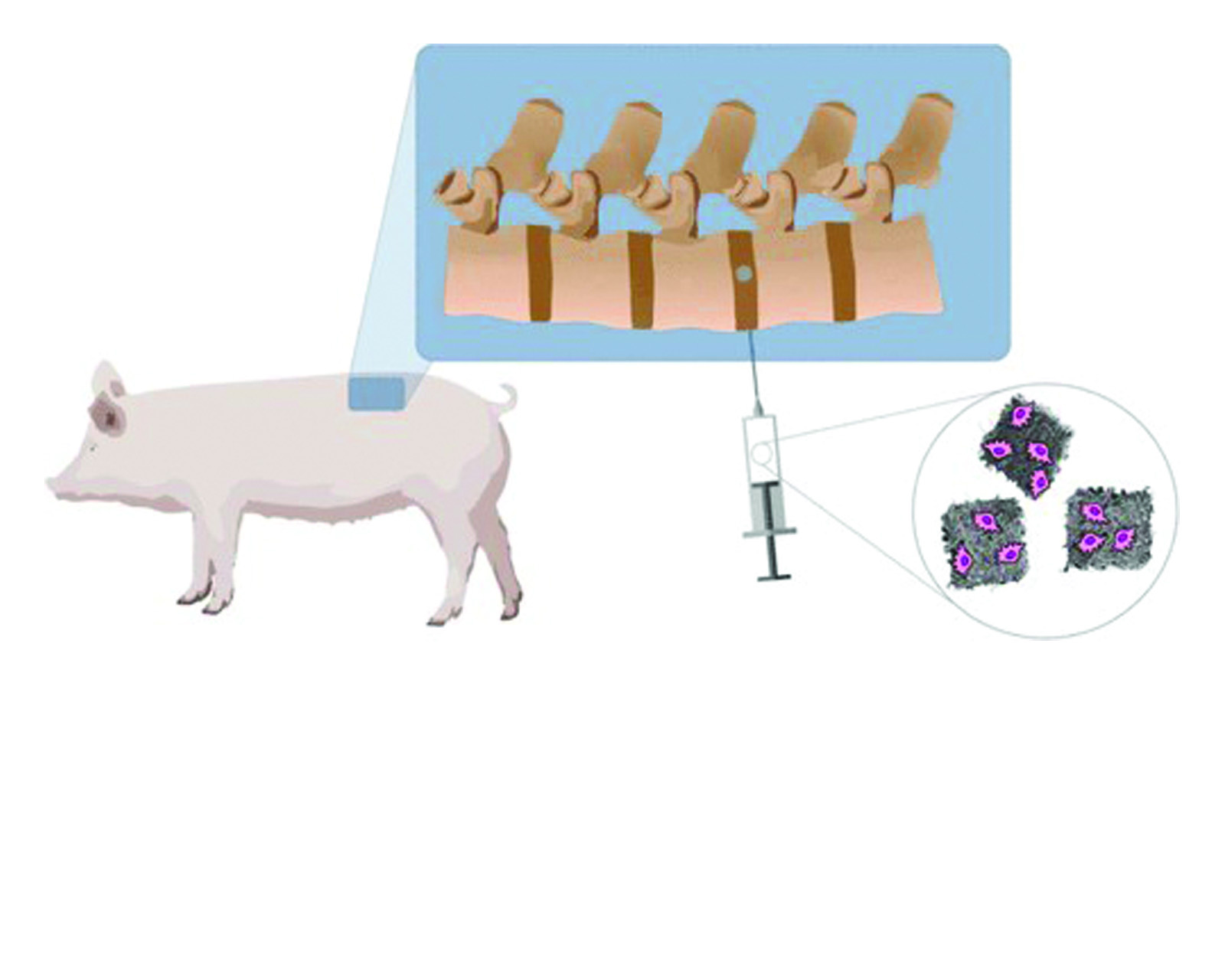
In our group, we design and fabricate electrospun polymer microscaffolds for combating intervertebral disc degenerative disease (IVDD) and cellular senescence. Our research bridges material science, nanotechnology, and regenerative medicine to develop multifunctional injectable biomaterials capable of delivering therapeutic microRNAs to the nucleus pulposus. We explore the interplay between scaffold composition, structure, and bioactivity to achieve controlled miRNA release and restore extracellular matrix homeostasis. Combining electrospinning, femtosecond laser micromachining, and microfluidic nanoparticle synthesis, we create hierarchically structured fibrous hydrogels that mimic the native disc microenvironment. Our approach enables minimally invasive intradiscal injection of ECM-like microscaffolds that modulate inflammation, inhibit apoptosis, and promote tissue regeneration, offering a next-generation therapeutic platform for intervertebral disc repair.
Cardiac patches
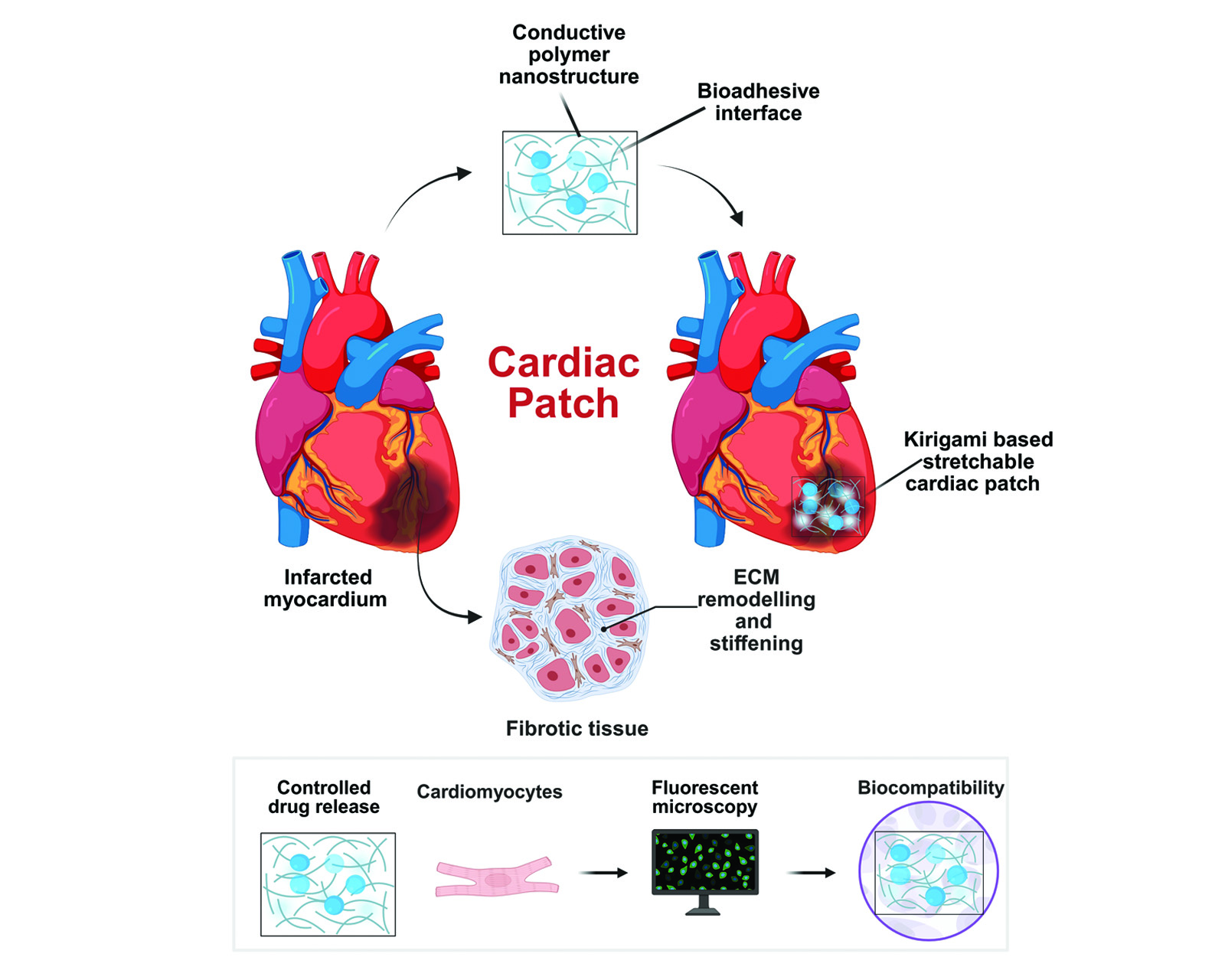
We engineer smart cardiac patches made from soft, stretchy materials that can conduct electricity and adhere to wet tissue without the need for glue. These patches are inspired by kirigami — the art of cutting shapes into materials to make them flexible. Our patches are shape-conformable, deployable, and capable of delivering medicine directly to damaged heart tissue while helping stem cells stay in place to support healing. To make them, we use ultra-fast lasers that can carve tiny patterns smaller than a human hair.
Brain-machine interfaces
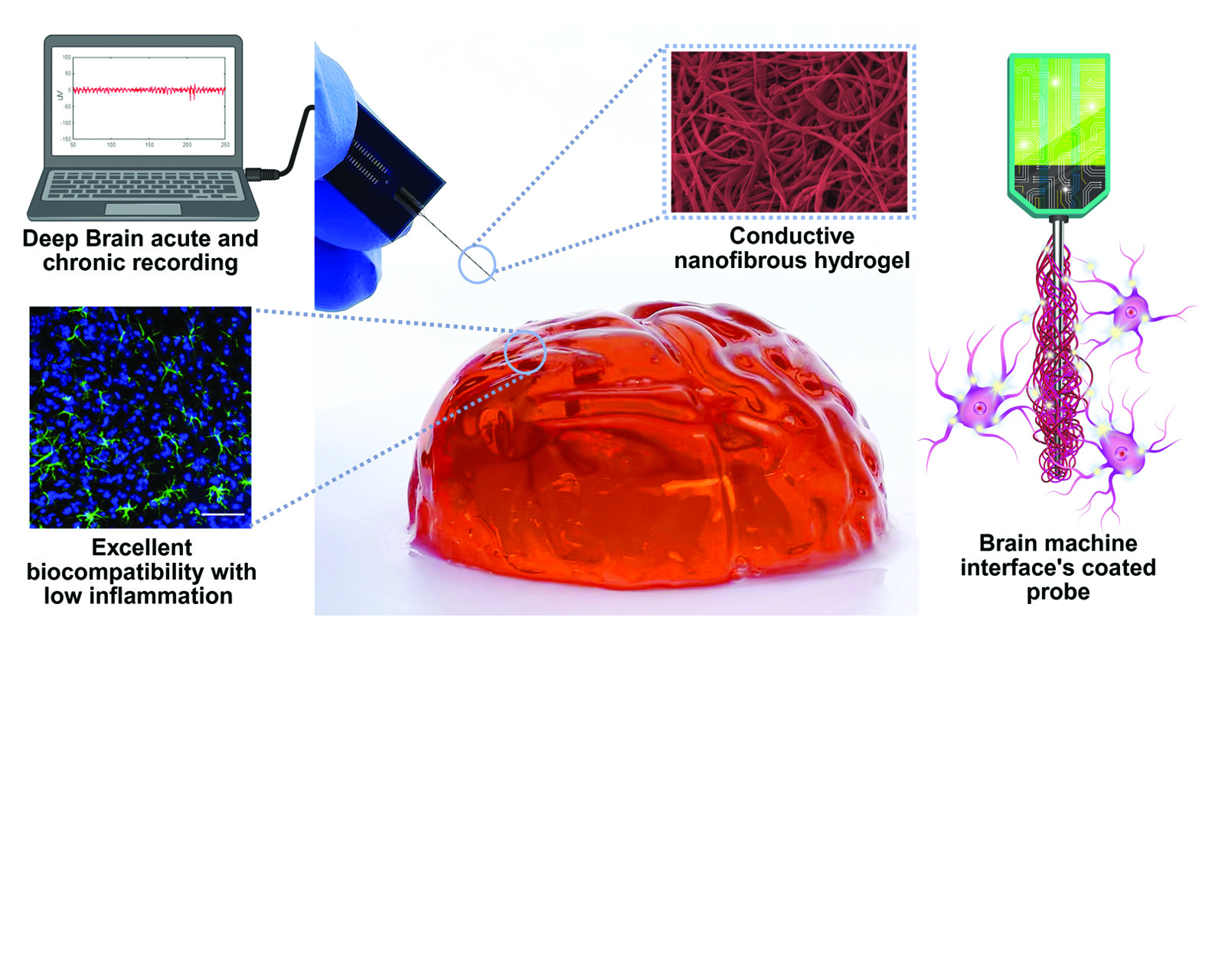
We develop nanofibrous conductive hydrogels that enable stable, long-term integration of BMI’s probes with soft brain tissue. The hydrogel architecture, produced by electrospinning, exhibits a high specific surface area and enhanced mechanical compliance. These materials respond well to physiological conditions and improve charge transfer at the tissue–electrode interface. The resulting bioelectronic coatings reduce inflammatory responses while maintaining signal fidelity during chronic implantation, supporting reliable electrophysiological recording and stimulation in deep-brain applications.
Antibacterial membranes
We explore materials with exceptional antibacterial and stimuli-responsive functionalities as well as processes and designs for custom biomedical applications. The spectrum ranges from enzybiotic-functionalized nanofibers to light-activated photothermal and photodynamic membranes, engineered for advanced wound care and protective interfaces. We utilize electrospinning, electrospraying, and green cross-linking methods to produce multifunctional antimicrobial structures efficiently. In the field of polymeric surfaces, we have competencies in biomolecule immobilization, photothermal agent integration, and the fabrication of micro- and nanostructured antibacterial layers.
Biosensing
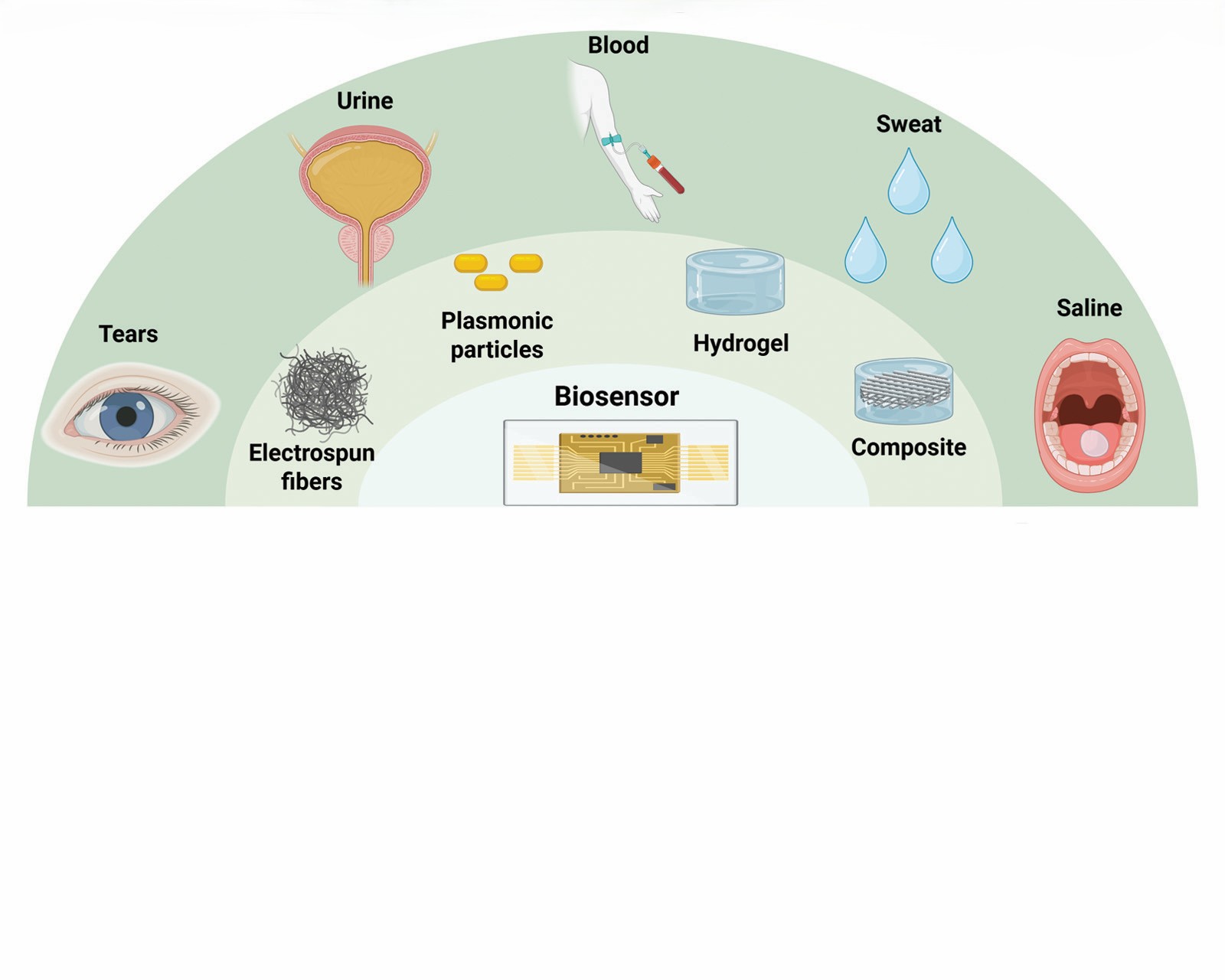
We develop innovative biosensing platforms by integrating plasmonic nanoparticles with hydrogel-based and electrospun nanofiber matrices. Our system utilizes stimuli-responsive materials that enable the rapid, accurate, and non-invasive detection of biomolecules, such as glucose and lysozyme, as well as the efficient recording of neural signals. By mimicking biological environments and incorporating multifunctional, biocompatible materials, we enhance sensitivity, optical responsiveness, antibacterial activity, and electrical conductivity. These multifunctional and biocompatible platforms present new opportunities for real-time health monitoring.
Filtration
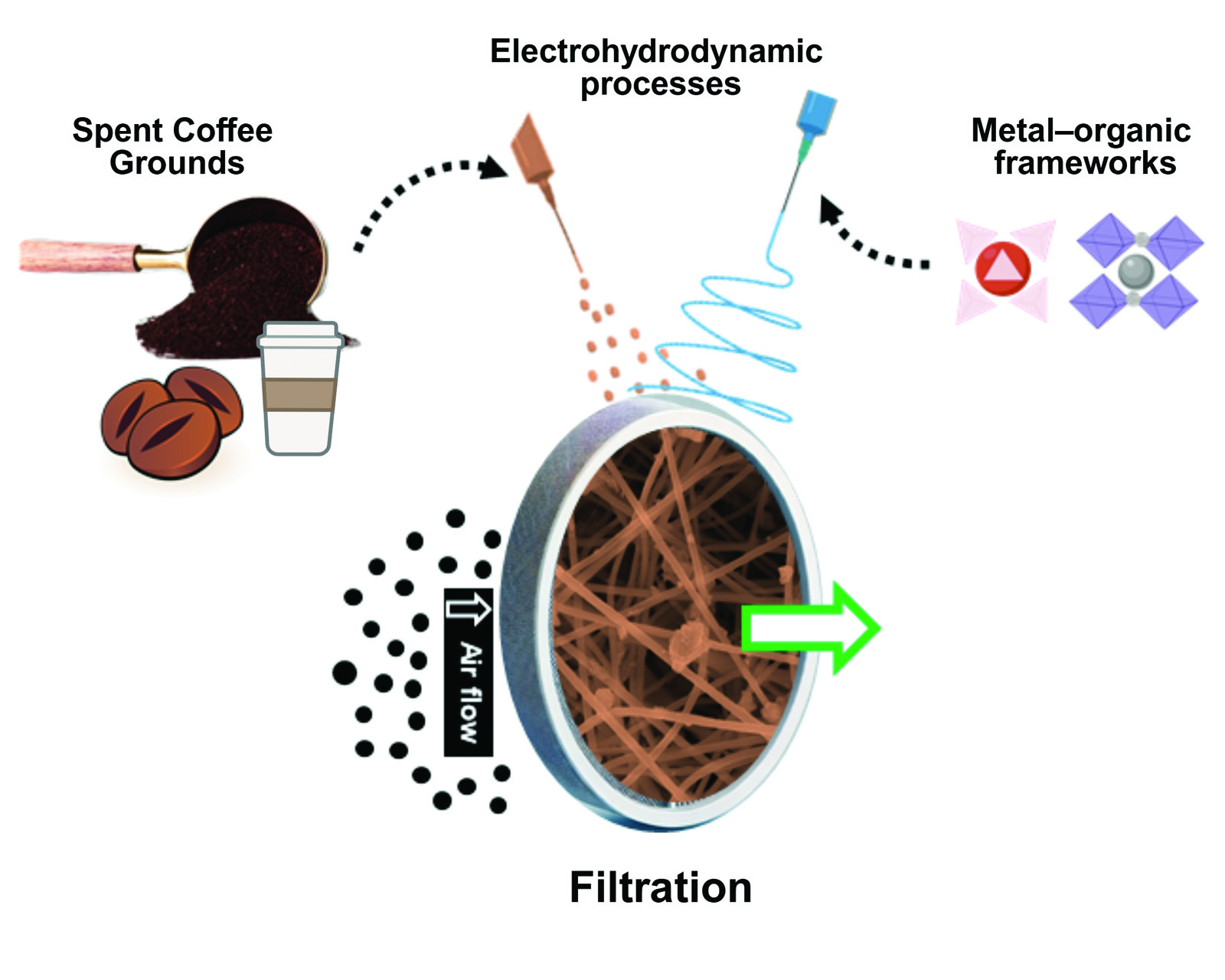
We develop micro- and nano-structured air filters with activable antibacterial and photothermal functionality to enhance particle capture without increasing pressure drop. Our work includes biodegradable electrospun media that enable on-demand pathogen inactivation and maintain durability under repeated irradiation. We also valorize spent coffee grounds as a structural component of filter architectures to reduce environmental impact. Metal-organic frameworks are incorporated to enhance the capture of the gaseous pollutants, supporting high-efficiency filtration for indoor and community health settings.